Technical Interview Success: How to Prepare for Coding Challenges and System Design Questions
Technical interviews can be the most challenging part of the hiring process—they test not just your knowledge, but your ability to think on your feet, communicate complex ideas, and solve problems under pressure. Whether you're facing coding challenges, system design questions, or technical discussions, the key to success lies in systematic preparation and strategic thinking. Let's explore how to approach these interviews with confidence and competence.
Understanding Technical Interview Types

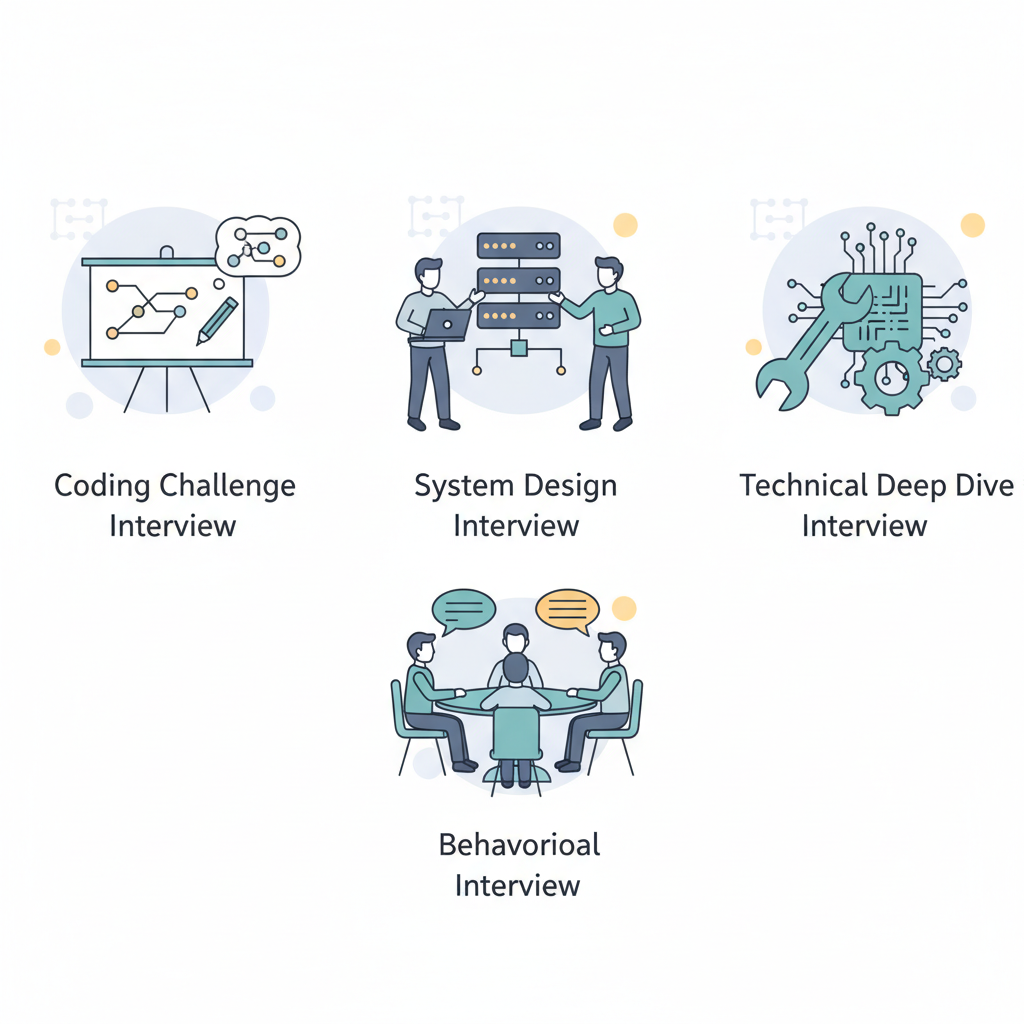
Technical interviews come in many forms, each designed to assess different aspects of your technical capabilities:
Coding Challenges: Algorithm problems, data structure questions, and programming exercises that test your problem-solving skills and coding proficiency.
System Design: Questions about designing scalable systems, databases, and architectures that demonstrate your understanding of large-scale applications.
Technical Discussions: Deep dives into your past projects, technical decisions, and problem-solving approaches.
Whiteboard Coding: Live coding sessions where you solve problems while explaining your thought process.
Take-Home Projects: Longer assignments that showcase your ability to build complete solutions.
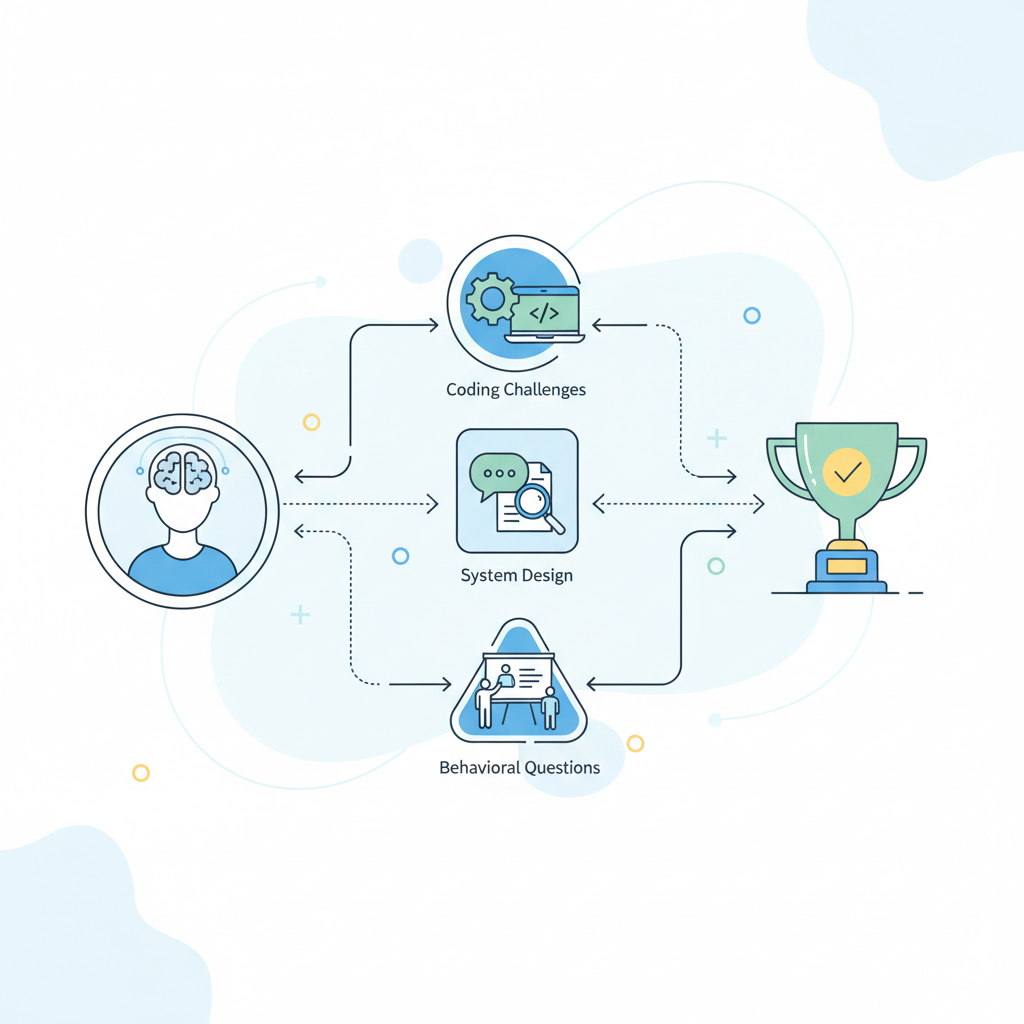
The key is to understand what each type is testing and prepare accordingly. Coding challenges assess your algorithmic thinking, system design questions evaluate your architectural knowledge, and technical discussions reveal your practical experience and decision-making process.
Mastering Coding Challenges
Coding challenges are often the most intimidating part of technical interviews, but they're also the most predictable to prepare for. Here's how to approach them systematically:
Understand the Problem: Before writing any code, make sure you fully understand the requirements. Ask clarifying questions if needed—interviewers appreciate candidates who think before they code.
Plan Your Approach: Outline your solution before implementation. Consider:
- What data structures will you use?
- What's the time and space complexity?
- Are there edge cases to consider?
- Can you optimize further?
Communicate Your Thinking: Talk through your thought process as you code. Explain your decisions, acknowledge trade-offs, and discuss alternatives. This shows your problem-solving methodology.
Test Your Solution: Always test with examples, including edge cases. Walk through your code step by step to verify it works correctly.
Optimize When Possible: If time permits, discuss how you could improve your solution. Show awareness of performance considerations and scalability.
System Design Fundamentals
System design questions assess your ability to think at scale and make architectural decisions. Here's a structured approach:
Clarify Requirements: Start by understanding the scope, scale, and constraints of the system you're designing. Ask about:
- Expected user load and growth
- Performance requirements
- Data storage needs
- Security considerations
- Budget and technology constraints
High-Level Design: Begin with a broad architectural overview:
- Identify the main components
- Define the data flow
- Consider scalability patterns
- Plan for fault tolerance
Deep Dive into Components: Choose 2-3 critical components to design in detail:
- Database schema and relationships
- API design and endpoints
- Caching strategies
- Load balancing approaches
Address Scalability: Discuss how your system would handle growth:
- Horizontal vs. vertical scaling
- Database sharding strategies
- CDN and caching layers
- Microservices considerations
Consider Trade-offs: Acknowledge the pros and cons of your design decisions and discuss alternatives.
Technical Discussion Strategies
Technical discussions are opportunities to showcase your real-world experience and decision-making process. Here's how to excel:
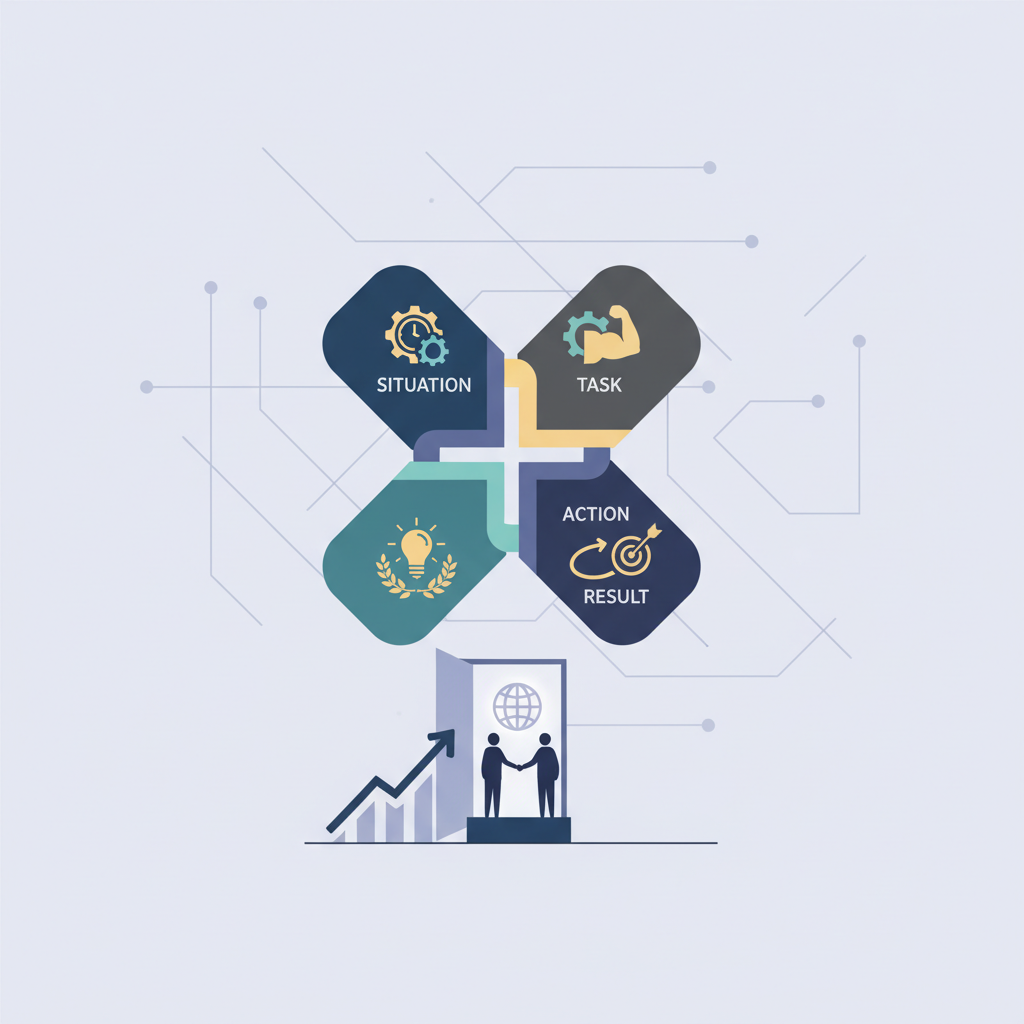
Tell Compelling Stories: Use the STAR method to structure your technical experiences:
- Situation: Describe the technical challenge you faced
- Task: Explain your role and responsibilities
- Action: Detail the technical decisions you made and why
- Result: Share the outcomes and lessons learned
Demonstrate Learning: Show how you've grown from past experiences:
- What would you do differently?
- How did you handle technical debt?
- What trade-offs did you make and why?
Show Technical Depth: Be prepared to dive deep into:
- Specific technologies and frameworks
- Performance optimization techniques
- Security considerations
- Testing and deployment strategies
Acknowledge Limitations: Be honest about what you don't know and show how you'd approach learning new technologies or solving unfamiliar problems.
Preparation Strategies
Effective preparation is the key to technical interview success. Here's a comprehensive approach:
Practice Coding Problems: Use platforms like LeetCode, HackerRank, or InterviewBot.com to practice:
- Data structures and algorithms
- Problem-solving patterns
- Time and space complexity analysis
- Code optimization techniques
Study System Design: Focus on understanding:
- Distributed systems principles
- Database design and optimization
- Caching and load balancing
- Security and scalability patterns
Review Your Projects: Be prepared to discuss:
- Technical decisions and trade-offs
- Challenges you faced and how you solved them
- Performance optimizations you implemented
- Lessons learned and improvements made
Mock Interviews: Practice with peers or use AI-powered platforms like InterviewBot.com to simulate real interview conditions and receive feedback on your performance.
Common Technical Interview Mistakes to Avoid
Rushing into Coding: Take time to understand the problem and plan your approach before writing code.
Not Communicating: Technical interviews assess communication as much as technical skills. Explain your thinking process clearly.
Ignoring Edge Cases: Always consider boundary conditions and error cases in your solutions.
Not Testing Your Code: Walk through your solution with examples to verify it works correctly.
Failing to Optimize: When time permits, discuss how you could improve your solution's performance or scalability.
Not Asking Questions: Clarify requirements and constraints before starting to solve the problem.
Advanced Preparation Techniques
Algorithm Patterns: Master common algorithmic patterns like:
- Two pointers technique
- Sliding window
- Dynamic programming
- Graph traversal algorithms
- Binary search variations
System Design Patterns: Understand architectural patterns like:
- Microservices architecture
- Event-driven systems
- CQRS (Command Query Responsibility Segregation)
- Event sourcing
- Circuit breaker patterns
Technology Deep Dives: Be prepared to discuss specific technologies in depth:
- Database systems and their trade-offs
- Message queues and event streaming
- Caching strategies and implementations
- Security best practices and implementations
Final Thoughts
Technical interviews are challenging, but they're also opportunities to showcase your problem-solving abilities and technical expertise. The key is systematic preparation, clear communication, and strategic thinking.
Remember that technical interviews assess not just what you know, but how you think and solve problems. Focus on demonstrating your problem-solving methodology, communication skills, and ability to learn and adapt.
The most successful candidates approach technical interviews as collaborative problem-solving sessions rather than tests. They ask thoughtful questions, communicate their thinking clearly, and show genuine interest in finding the best solution.
Ready to practice technical interview questions? Visit www.interviewbot.com to access our comprehensive library of coding challenges, system design questions, and technical discussion topics. Our AI-powered platform provides personalized feedback and helps you develop the skills needed to excel in technical interviews and advance your career.